
Shopping Cart
- News
- 0 likes
- 441 views
- 0 comments
- moringa, moringaworld, moringa dogs
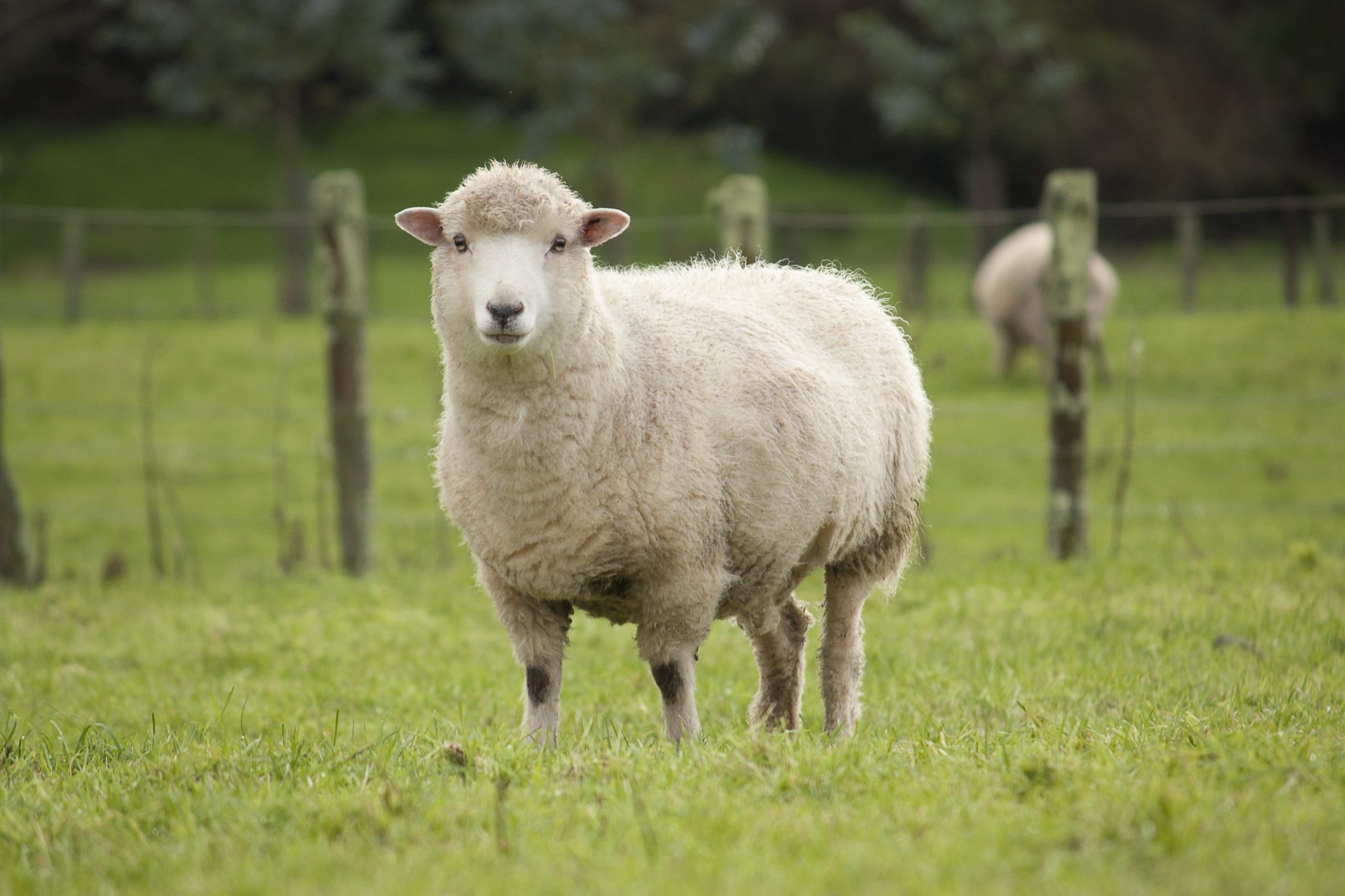
Boost Sheep Health and Productivity Naturally with Moringa oleifera
Sheep farmers are increasingly exploring plant-based nutritional strategies to improve flock performance, reproductive efficiency, and overall health. One botanical gaining significant attention in ruminant nutrition research is Moringa oleifera. Known for its dense nutritional profile and bioactive compounds, moringa leaf meal has been studied as a protein supplement and functional feed ingredient for sheep under both intensive and semi-intensive production systems.
This article reviews the science behind moringa supplementation in sheep diets and highlights documented benefits supported by peer-reviewed research.
Nutritional Profile of Moringa oleifera
Moringa leaves contain:
-
Crude protein levels ranging from 20–30% (dry matter basis)
-
Essential amino acids
-
High levels of calcium, iron, potassium, and magnesium
-
Vitamins A, C, and E
-
Bioactive compounds including flavonoids, tannins, and saponins
-
Strong antioxidant activity
Because of this composition, moringa leaf meal is often evaluated as a partial replacement for conventional protein sources such as soybean meal or lucerne.
Documented Benefits of Moringa in Sheep
1. Improved Growth Performance and Feed Efficiency
Several controlled studies demonstrate that including moringa leaf meal in sheep diets can improve weight gain and feed conversion efficiency.
-
Research published in the journal Small Ruminant Research found that lambs supplemented with moringa leaf meal showed significantly improved average daily gain compared to control groups receiving conventional protein sources.
-
A study in Tropical Animal Health and Production reported improved feed intake and digestibility when moringa replaced part of the concentrate diet.
Improved performance is largely attributed to the high-quality protein and enhanced rumen microbial activity stimulated by moringa supplementation.
Reference examples:
-
Moyo, B. et al. (2011). Nutritional characterization of Moringa oleifera leaf meal. Small Ruminant Research, 98(1–3), 129–135.
-
Kholif, A.E. et al. (2016). Moringa oleifera leaf meal as a protein source in ruminant diets. Tropical Animal Health and Production, 48, 135–142.
2. Enhanced Digestibility and Rumen Function
Moringa supplementation has been associated with improved nutrient digestibility and better rumen fermentation patterns.
-
Studies show increased crude protein digestibility and improved nitrogen utilization in sheep fed moringa leaf meal.
-
Certain bioactive compounds in moringa may modulate rumen microbial populations, enhancing fiber digestion efficiency.
In regions where forage quality fluctuates seasonally, moringa may help stabilize nutrient availability.
Reference examples:
-
Sultana, N. et al. (2015). Effect of Moringa oleifera leaf supplementation on ruminal fermentation and nutrient digestibility in sheep. Livestock Science, 174, 32–39.
-
Soliva, C.R. et al. (2005). Plant secondary compounds and rumen fermentation. Animal Feed Science and Technology, 123–124, 361–371.
3. Improved Reproductive Performance
Research indicates that moringa supplementation may positively influence reproductive parameters in sheep.
-
Supplemented ewes have shown improved body condition scores before breeding.
-
Some studies report improved conception rates and heavier lamb birth weights when moringa is included in gestation diets.
-
Enhanced antioxidant status may reduce oxidative stress during late pregnancy.
Reference examples:
-
Kholif, A.E. et al. (2018). Moringa oleifera supplementation and reproductive performance in ewes. Animal Reproduction Science, 192, 162–170.
-
El-Badawi, A.Y. et al. (2014). Impact of Moringa oleifera on productive and reproductive performance in ruminants. Journal of Animal Physiology and Animal Nutrition, 98(4), 695–704.
4. Increased Milk Production and Quality
For dairy sheep systems, moringa leaf supplementation has shown promising effects on milk yield and composition.
-
Studies demonstrate increases in milk yield and improvements in milk protein content.
-
Antioxidant compounds in moringa may enhance milk oxidative stability.
-
Some trials report improved fatty acid profiles in milk.
Reference examples:
-
Kholif, A.E. et al. (2015). Effects of Moringa oleifera leaves on lactating ewe performance. Journal of Dairy Science, 98(7), 5075–5086.
-
Abdel-Rahman, G.A. et al. (2017). Effect of Moringa oleifera on milk yield and milk composition in dairy sheep. Egyptian Journal of Sheep & Goat Sciences, 12(2), 15–26.
5. Antioxidant and Immune Support
Moringa leaves are rich in polyphenols and vitamins that support antioxidant defenses.
-
Supplemented sheep show reduced oxidative stress markers.
-
Improved immune indicators such as higher total antioxidant capacity have been observed.
-
Potential reduction in parasite burden has been explored, although more targeted research is needed.
Reference examples:
-
Sreelatha, S. & Padma, P.R. (2009). Antioxidant activity of Moringa oleifera leaves. Food and Chemical Toxicology, 47(9), 2196–2201.
-
Nouman, W. et al. (2014). Nutritional and phytochemical properties of Moringa oleifera for livestock use. Livestock Research for Rural Development, 26(2).
Practical Inclusion Levels
Research commonly evaluates moringa leaf meal inclusion levels between 5% and 20% of total diet dry matter, depending on production stage and diet formulation. Moderate inclusion levels tend to provide the best balance between performance benefits and cost efficiency.
As with any feed adjustment:
-
Introduce gradually to allow rumen adaptation.
-
Formulate diets to maintain proper energy-protein balance.
-
Monitor body condition and performance metrics.
Summary
Scientific evidence supports the use of Moringa oleifera leaf meal as a valuable supplemental protein source for sheep. Documented benefits include:
-
Improved weight gain and feed efficiency
-
Enhanced nutrient digestibility
-
Support for reproductive performance
-
Increased milk yield and improved milk composition
-
Strengthened antioxidant and immune status
While results vary depending on production system and inclusion rate, moringa represents a promising, sustainable feed resource for sheep farmers seeking to enhance flock productivity naturally.
Selected References
Moyo, B., Masika, P.J., Hugo, A., & Muchenje, V. (2011). Nutritional characterization of Moringa oleifera leaf meal. Small Ruminant Research, 98(1–3), 129–135.
Kholif, A.E., et al. (2015–2018). Multiple studies on Moringa oleifera supplementation in ruminants. Journal of Dairy Science; Animal Reproduction Science; Tropical Animal Health and Production.
Sultana, N., et al. (2015). Effect of Moringa oleifera leaf supplementation on ruminal fermentation and nutrient digestibility in sheep. Livestock Science, 174, 32–39.
El-Badawi, A.Y., et al. (2014). Impact of Moringa oleifera on productive and reproductive performance in ruminants. Journal of Animal Physiology and Animal Nutrition, 98(4), 695–704.
Nouman, W., et al. (2014). Nutritional and phytochemical properties of Moringa oleifera for livestock. Livestock Research for Rural Development, 26(2).
Comments (0)