
Shopping Cart
- News
- 0 likes
- 888 views
- 0 comments
- moringa, moringaworld, moringa dogs
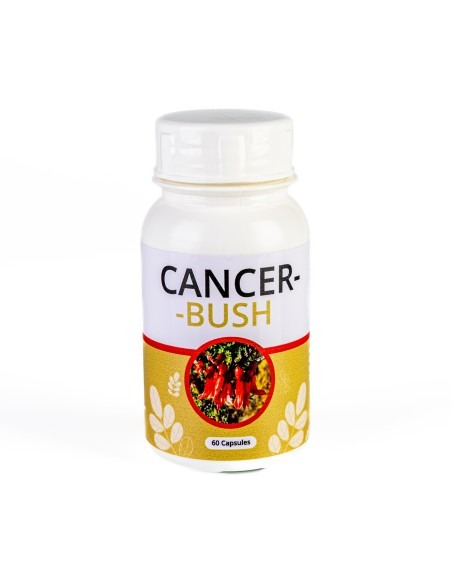
Cancer Bush (Sutherlandia frutescens): Traditional Use, Potential Benefits, and What the Research Shows
Cancer Bush, scientifically known as Sutherlandia frutescens, is a perennial shrub native to Southern Africa that has been used in traditional medicine for generations. In South African vernacular the plant is known as kankerbos (“cancer bush”), reflecting its traditional use to support people during serious illness. While traditional use is extensive, it is important to examine the scientific evidence carefully and separate cultural practice from clinical fact.
What Is Cancer Bush?
Cancer Bush is a member of the Fabaceae family and grows widely in semi‑arid regions of South Africa, Namibia, and Botswana. Traditional healers have used it as a general tonic, immune supportive herb, and for a range of symptoms including fatigue, stress, gastrointestinal complaints, and respiratory problems.
The name “cancer bush” arises from traditional use patterns rather than from scientific evidence of anticancer activity. Nevertheless, interest in the plant has inspired laboratory and early‑stage research into its biological properties.
Potential Benefits of Cancer Bush
1. Immune System Support
Many traditional uses of Cancer Bush involve support of the immune system. Phytochemical analyses have identified compounds such as flavonoids, saponins, and triterpenoids that may influence inflammation and immune signaling pathways.
A comprehensive review of Sutherlandia frutescens highlighted its potential immunomodulatory effects and antioxidant capacity, which could theoretically contribute to immune resilience in various contexts. The authors noted that constituents of the plant demonstrated biological activity relevant to immune function in laboratory settings.
Reference: Makhafola et al., “Phytochemistry and Biological Activities of Sutherlandia frutescens,” Plants, 2023. doi:10.3390/plants14142086
While these findings are promising, clinical research in humans to confirm immunological benefit is lacking.
2. Laboratory Evidence of Anticancer Activity
Researchers have examined Sutherlandia frutescens extracts in cell‑based and animal studies to explore effects on cancer cells. These studies are preliminary and do not constitute evidence that the herb treats cancer in humans; rather, they provide insight into biological activity that might inform future research.
Melanoma Cells
An in vitro study exposed human melanoma cells to Sutherlandia extract and observed features consistent with apoptosis (programmed cell death), indicating that compounds in the extract affected pathways involved in cell survival.
Reference: Pazi et al., “Effects of Sutherlandia frutescens on Malignant Melanoma Cells,” Journal of Ethnopharmacology, 2016.
Prostate Cancer Cells and Hedgehog Signaling
Another laboratory investigation found that Sutherlandia extract inhibited proliferation of human prostate cancer cell lines and modulated the Gli/hedgehog signaling pathway, a molecular pathway implicated in tumor growth. This study included in vitro and mouse model components.
Reference: Ferreira et al., “Sutherlandia frutescens Suppresses Gli/Hedgehog Signaling in Prostate Cancer Cells,” BMC Complementary and Alternative Medicine, 2015.
Cervical Carcinoma Cells
Early research demonstrated that aqueous extracts of Sutherlandia frutescens induced apoptosis in cultured cervical cancer cells, suggesting cytotoxic effects toward malignant cell lines.
Reference: Grace et al., “Cytotoxic Effects of Sutherlandia frutescens Extracts on Cervical Carcinoma Cells,” Phytotherapy Research, 2005.
Colorectal Cancer Models
In a three‑dimensional colorectal cancer cell culture model, Sutherlandia extracts reduced viability and metabolic activity of mini‑tumors, again pointing to biological activity in controlled laboratory models.
Reference: Hundscheid et al., “Activity of Sutherlandia frutescens Extracts in 3D Colorectal Cancer Models,” Frontiers in Pharmacology, 2021.
These studies provide mechanistic insights but are fundamentally preclinical; they do not demonstrate clinical benefit in patients.
3. Antioxidant and Anti‑Inflammatory Properties
Several studies have demonstrated that isolated compounds from Sutherlandia frutescens have antioxidant and anti‑inflammatory effects in laboratory assays. These properties may contribute to general health benefits and are consistent with traditional applications as a tonic and supportive herb.
However, in vitro antioxidant activity does not directly translate to measurable health outcomes in humans without clinical trials to validate efficacy and safety.
Safety and Precautions
-
Consult a qualified healthcare professional before using Cancer Bush, especially if you are pregnant, breastfeeding, taking prescription medications, or managing chronic health conditions.
-
Herbal supplements can interact with pharmaceuticals (e.g., antiretroviral therapies or immunomodulating drugs).
-
The quality and concentration of commercial preparations vary widely, and standardization is often lacking.
Summary
Cancer Bush (Sutherlandia frutescens) is a traditional medicinal plant with a long history of use in Southern Africa. Scientific research has identified potentially interesting biological effects in laboratory studies, including immune‑related activity and effects on cancer cell lines. However, there is no strong clinical evidence that it treats or prevents cancer in humans.
Ongoing research may clarify mechanisms and potential therapeutic roles, but until rigorous clinical trials are conducted, Cancer Bush should be regarded as a traditional herbal supplement with preliminary laboratory support rather than a proven medical treatment.
References
Makhafola, T. J., et al. “Phytochemistry and Biological Activities of Sutherlandia frutescens.” Plants 14.14 (2023).
Pazi, P. et al. “Effects of Sutherlandia frutescens on Malignant Melanoma Cells.” Journal of Ethnopharmacology. 2016.
Ferreira, P. L., et al. “Sutherlandia frutescens Suppresses Gli/Hedgehog Signaling in Prostate Cancer Cells.” BMC Complementary and Alternative Medicine. 2015.
Grace, O. M., et al. “Cytotoxic Effects of Sutherlandia frutescens Extracts on Cervical Carcinoma Cells.” Phytotherapy Research. 2005.
Hundscheid, A. A., et al. “Activity of Sutherlandia frutescens Extracts in 3D Colorectal Cancer Models.” Frontiers in Pharmacology. 2021.
Comments (0)