
Shopping Cart
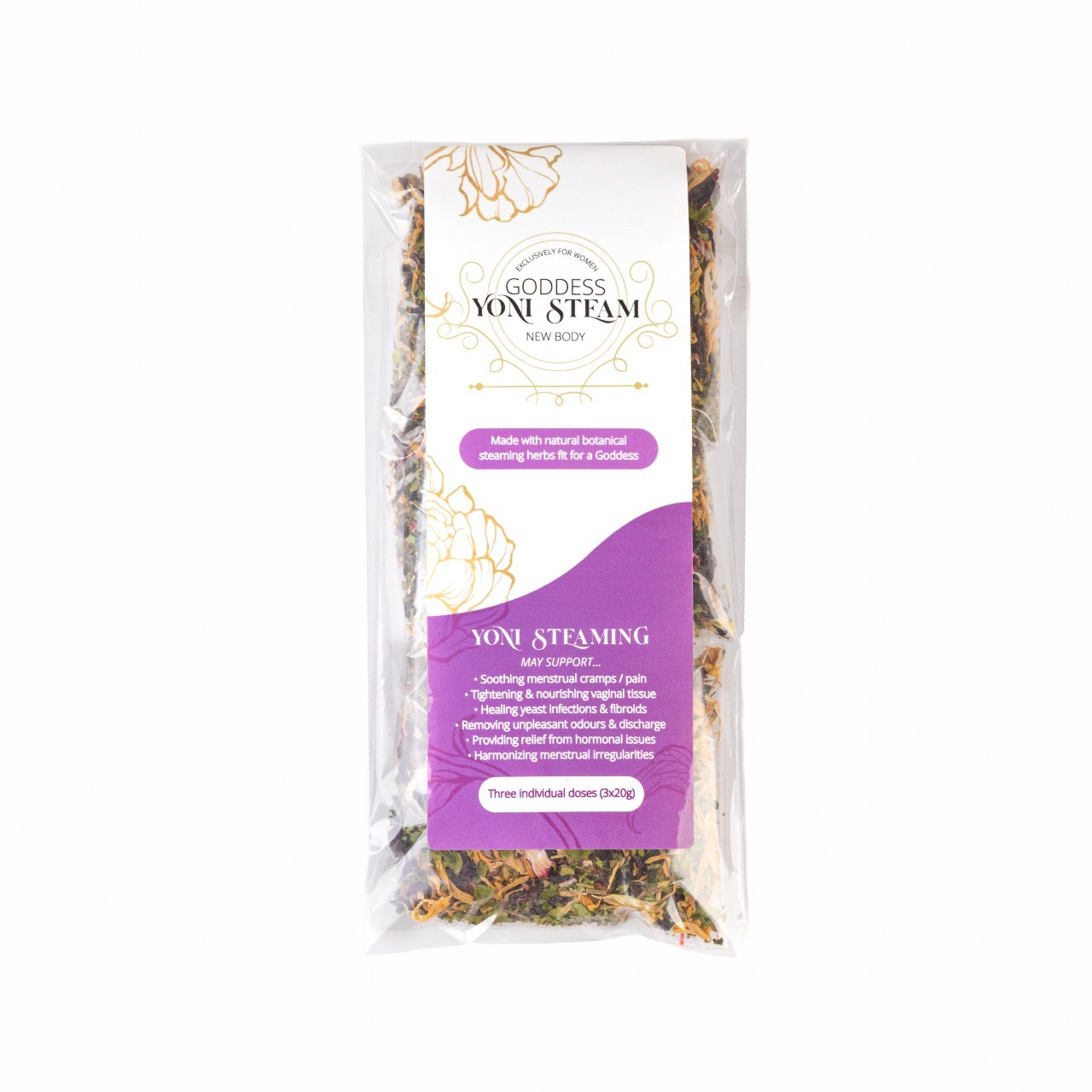
Goddess Yoni Steam: Herbal Feminine Wellness and Traditional Benefits
Natural feminine wellness practices are becoming increasingly popular as women explore plant-based self-care solutions. One such practice is herbal steaming, commonly called yoni steaming, which involves sitting over warm herbal steam to allow the heat and plant compounds to gently reach the external vaginal area.
The Moringa World Goddess Yoni Steam blend combines traditional herbal knowledge with nutrient-rich plants such as Moringa oleifera and other botanicals historically used in feminine wellness rituals. This article explains the potential benefits of moringa in herbal steaming blends and the traditional uses associated with this practice.
What Is Goddess Yoni Steam?
The term yoni comes from Sanskrit and traditionally means womb, origin, or sacred feminine space. Yoni steaming refers to a practice where herbal steam is used externally for relaxation and feminine care.
Historically, herbal steaming practices have been used in several cultures including:
-
African herbal wellness traditions
-
Korean herbal steam therapy (chai-yok)
-
Mayan postpartum healing practices
-
Traditional Asian herbal medicine systems
These practices typically involve the use of medicinal herbs believed to promote feminine wellness and relaxation.
Why Moringa Is Used in Feminine Wellness Blends
One of the key herbs often included in herbal wellness products is moringa (Moringa oleifera), commonly referred to as the “miracle tree” because of its exceptional nutritional and medicinal profile.
Moringa leaves contain:
-
Powerful antioxidants
-
Anti-inflammatory plant compounds
-
Vitamins A, C, and E
-
Essential minerals such as calcium, potassium, and iron
-
Polyphenols and flavonoids
Scientific research has shown that moringa contains bioactive compounds that help reduce oxidative stress and inflammation, both of which are important factors in maintaining overall health.
For example, research published in Food and Chemical Toxicology highlights the strong antioxidant activity of moringa leaves and their ability to neutralize free radicals.
Benefits:
1. Soothing Menstrual Cramps and Discomfort
Warm herbal steam has traditionally been used to help relax pelvic muscles and improve circulation to the lower abdominal area. Many women report that herbal steaming may help reduce menstrual cramps and pelvic discomfort.
Herbs used in steaming blends, including moringa and chamomile, are known for their anti-inflammatory and soothing properties, which may contribute to menstrual comfort.
2. Tightening and Nourishing Vaginal Tissue
Herbal steam combined with nutrient-rich plants such as moringa may help support healthy vaginal tissue. Moringa contains vitamins, antioxidants, and minerals that contribute to skin and tissue nourishment.
Traditional herbal practitioners often use steaming blends to help maintain elasticity, hydration, and overall vaginal wellness.
3. Antioxidant and Anti-Inflammatory Support
Moringa leaves contain phytochemicals such as quercetin and kaempferol that help reduce inflammation and oxidative stress.
Studies show that moringa extracts demonstrate strong antioxidant properties and may help protect tissues from oxidative damage. These properties contribute to moringa’s widespread use in herbal wellness products.
4. Supporting Feminine Comfort and Balance
Herbal steaming blends are traditionally believed to support the body’s natural cleansing processes. Many users report that herbal steam sessions may help reduce unpleasant odours and discharge, contributing to improved feminine comfort and freshness.
Herbs such as lavender, calendula, and rose petals are often included in steaming blends for their soothing and aromatic properties.
5. Traditional Support for Yeast Infections and Fibroids
In traditional herbal medicine, steaming practices have sometimes been used as part of natural care routines aimed at supporting feminine health concerns such as yeast infections, fibroids, or pelvic discomfort.
Some herbs used in steaming blends possess antimicrobial and anti-inflammatory properties, which may contribute to a soothing environment for feminine care. However, these traditional uses should not replace professional medical advice or treatment.
6. Relaxation and Stress Relief
Herbal steam therapy can function similarly to aromatherapy or herbal baths. The warmth of the steam combined with aromatic herbs may promote deep relaxation and help relieve stress and tension.
Lavender, chamomile, and rose are commonly used herbs known for their calming effects.
How to Use Moringa World Goddess Yoni Steam
The preparation process for herbal steaming follows traditional methods.
Typical preparation steps
-
Boil approximately 1 litre of water.
-
Add the Goddess Yoni Steam herbal blend.
-
Allow the herbs to steep for 5–10 minutes.
-
Place the container safely beneath a steaming stool or seat.
-
Sit over the steam while wrapped in a blanket or cloth to retain the heat.
-
Steam for approximately 10–20 minutes.
The steam should feel warm and comfortable, not hot.
Safety Considerations
Although herbal steaming is widely practiced in traditional wellness systems, safety precautions are important.
Avoid yoni steaming if:
-
You are pregnant
-
You are menstruating
-
You have an intrauterine device (IUD)
-
The steam temperature is too hot
-
You have infections or open wounds
Healthcare professionals also emphasize that the vagina is naturally self-cleaning, so steaming should be viewed as a wellness or relaxation ritual rather than a medical treatment.
Final Thoughts
The Moringa World Goddess Yoni Steam blend combines traditional herbal knowledge with the powerful plant nutrients found in Moringa oleifera. Known for its antioxidant, anti-inflammatory, and nutrient-dense properties, moringa has become a popular ingredient in natural wellness products.
Herbal steam blends are often used as part of self-care routines to support relaxation, feminine comfort, and overall wellness. When used safely and responsibly, they can form part of a holistic approach to personal care.
References
Sreelatha, S., & Padma, P.R. (2009). Antioxidant activity and free radical scavenging activity of Moringa oleifera. Food and Chemical Toxicology, 47(9), 2196–2201.
Leone, A. et al. (2015). Cultivation, genetic, ethnopharmacology, and nutritional properties of Moringa oleifera. International Journal of Molecular Sciences, 16(6), 12791–12835.
Gopalakrishnan, L. et al. (2016). Nutritional and medicinal properties of Moringa oleifera. Journal of Food Science and Human Wellness.
World Health Organization. (2014). Traditional Medicine Strategy 2014–2023.
Comments (0)