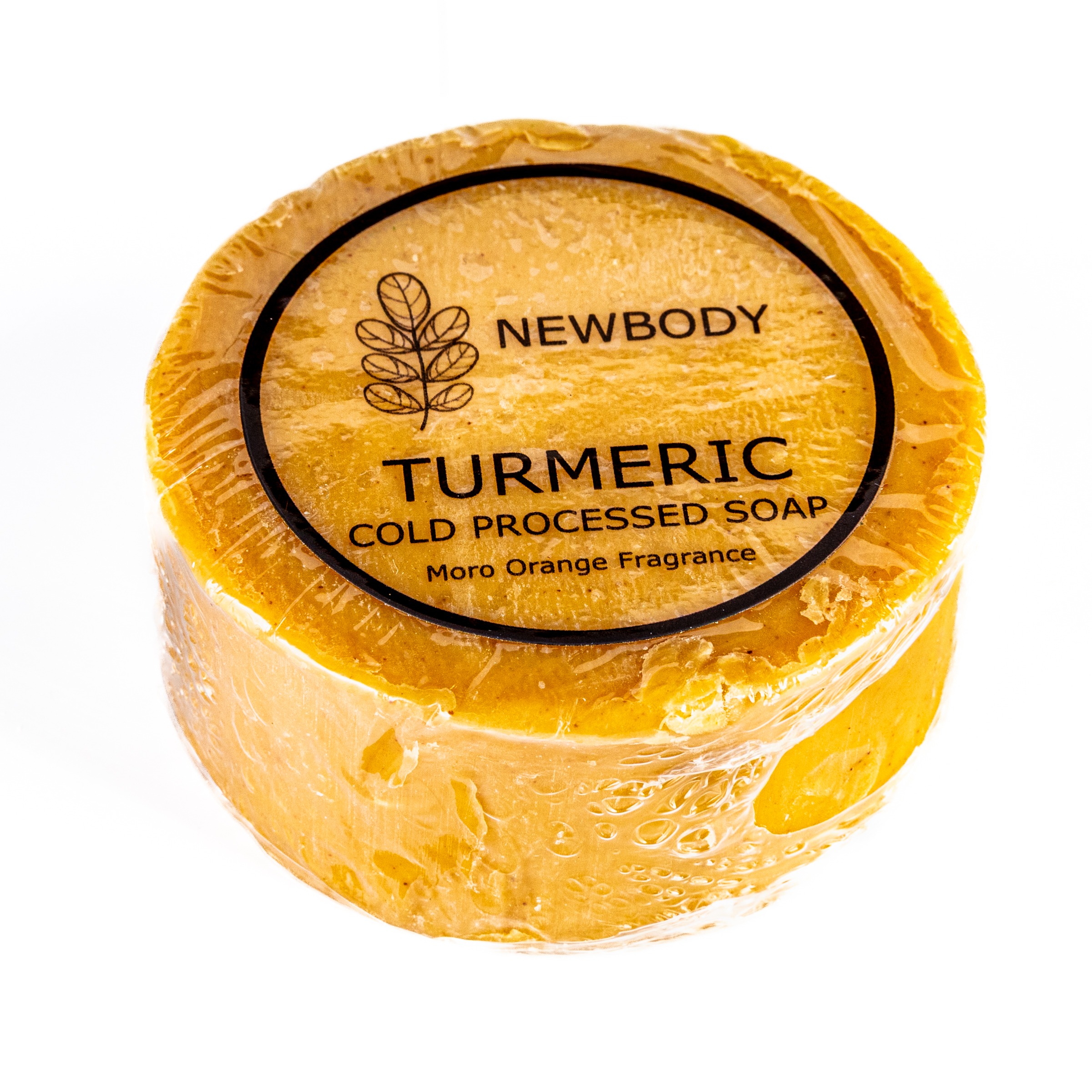
Turmeric Soap: Natural Skin Healing Backed by Science
Turmeric has been used for centuries in traditional medicine and skincare, particularly in Ayurvedic and African wellness practices. Today, turmeric soap has gained global popularity as a natural solution for clearer, brighter, and healthier skin.
But beyond the hype, what does science actually say about turmeric soap and its benefits?
This article explores the proven benefits of turmeric soap, supported by research on its active compound, curcumin.
What Makes Turmeric Soap Effective?
The key ingredient in turmeric is curcumin, a bioactive compound responsible for most of its therapeutic effects.
Scientific research shows that curcumin has:
A systematic review published in Phytotherapy Research found that turmeric and curcumin demonstrate measurable improvements in multiple skin conditions, including acne, eczema, and psoriasis.
Key Benefits of Turmeric Soap
1. Helps Fight Acne and Breakouts
Turmeric soap is widely used for acne due to its ability to target the root causes:
-
Reduces inflammation in the skin
-
Fights acne-causing bacteria
-
Helps regulate oil production
Laboratory studies show curcumin can inhibit Cutibacterium acnes, a key bacteria involved in acne development.
Clinical research also found that turmeric-based topical treatments improved acne severity by up to 35% over 8 weeks.
2. Brightens Skin and Reduces Hyperpigmentation
Turmeric soap is well known for promoting a more even skin tone.
-
Helps reduce dark spots and acne scars
-
Inhibits excess melanin production
-
Improves overall skin radiance
Research in the Journal of Cosmetic Dermatology shows curcumin can regulate tyrosinase, the enzyme responsible for pigmentation.
3. Powerful Anti-Inflammatory Effects
Inflammation is at the root of many skin problems, including acne, eczema, and irritation.
Curcumin works by:
Studies confirm turmeric’s ability to calm irritated skin and support healing in inflammatory skin conditions.
4. Anti-Aging and Skin Protection
Turmeric soap helps protect the skin from premature aging.
-
Neutralizes free radicals
-
Reduces fine lines and wrinkles
-
Protects against environmental damage
Curcumin’s antioxidant activity helps prevent oxidative stress, a key factor in aging and skin damage.
5. Supports Wound Healing and Scar Reduction
Turmeric has long been used to promote skin repair.
Research shows curcumin enhances tissue repair and improves skin recovery, making it beneficial for damaged or acne-prone skin.
6. Antibacterial and Skin-Cleansing Properties
Turmeric soap helps cleanse the skin while preventing infections.
-
Fights harmful bacteria on the skin
-
Supports a clearer complexion
-
Reduces risk of breakouts
Studies confirm curcumin’s antimicrobial activity against bacteria linked to skin infections and acne.
7. Soothes Skin Conditions Like Eczema and Psoriasis
Turmeric soap may help manage chronic skin conditions.
Clinical evidence suggests turmeric can improve symptoms in conditions such as eczema, dermatitis, and psoriasis.
Important Considerations
While turmeric soap offers many benefits, it is important to understand its limitations:
-
Short contact time: Soap is rinsed off quickly, which may limit absorption of curcumin
-
Bioavailability issues: Studies show less than 0.5% of curcumin penetrates the skin without advanced formulations
-
Possible irritation: Some users may experience sensitivity, so patch testing is recommended
Final Thoughts
Turmeric soap is more than just a natural trend. It is supported by a growing body of scientific research. Its anti-inflammatory, antibacterial, and antioxidant properties make it a valuable addition to a skincare routine.
However, while turmeric soap can support skin health, it works best when used consistently and as part of a broader skincare approach.
References
-
Vaughn et al. (2016). Effects of Turmeric on Skin Health – Phytotherapy Research
-
Journal of Cosmetic Dermatology (2019) – Curcumin and skin soothing effects
-
Indian Journal of Dermatology (2018) – Acne improvement study
-
BioMed Research International (2020) – Antimicrobial properties of curcumin
-
European Journal of Pharmaceutics (2022) – Skin absorption limitations
-
Curology Dermatology Review – Turmeric skin benefits
-
International Journal of Toxins and Toxics (2024) – Curcumin in skincare

Comments (0)